

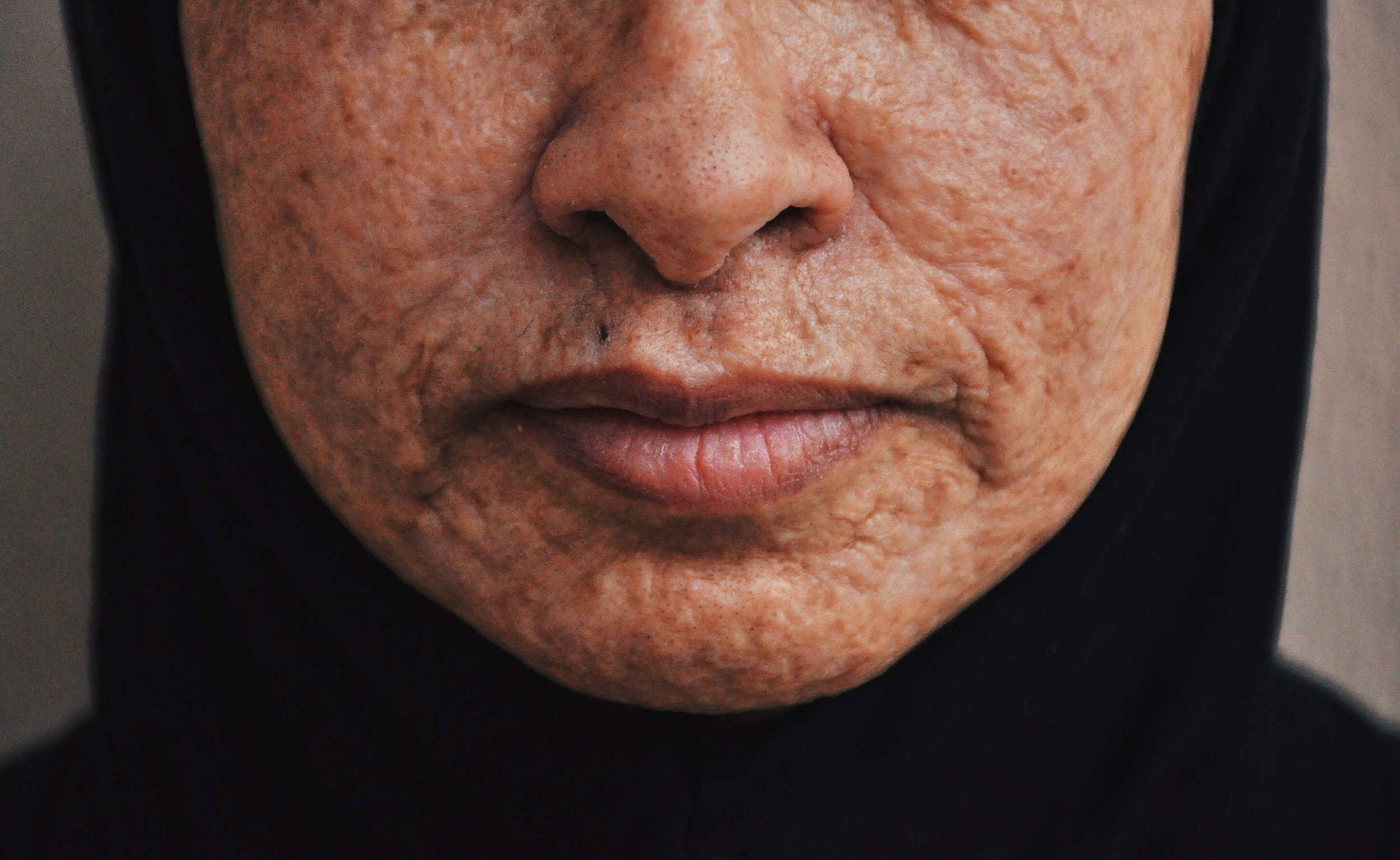
Texture, Pores & Scarring
Smoother skin starts with understanding what is causing the texture change
Uneven texture can develop for many different reasons, including acne, scarring, sun damage, reduced collagen, enlarged pores or previous inflammation.
Some concerns are mainly visible at the surface, while others involve deeper changes within the skin. Correctly identifying what is contributing helps us choose treatments that are appropriate for your skin and likely to provide meaningful improvement.
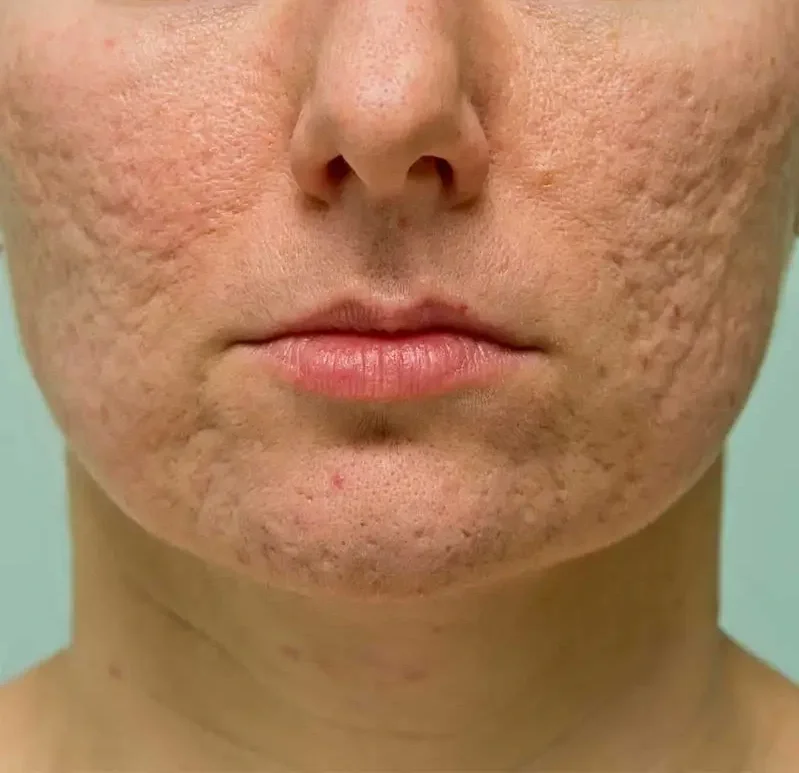
You may be noticing:
Uneven or rough skin texture
Enlarged or more visible pores
Indented acne scars
Rolling, boxcar or ice-pick acne scars
Red or brown marks left after acne
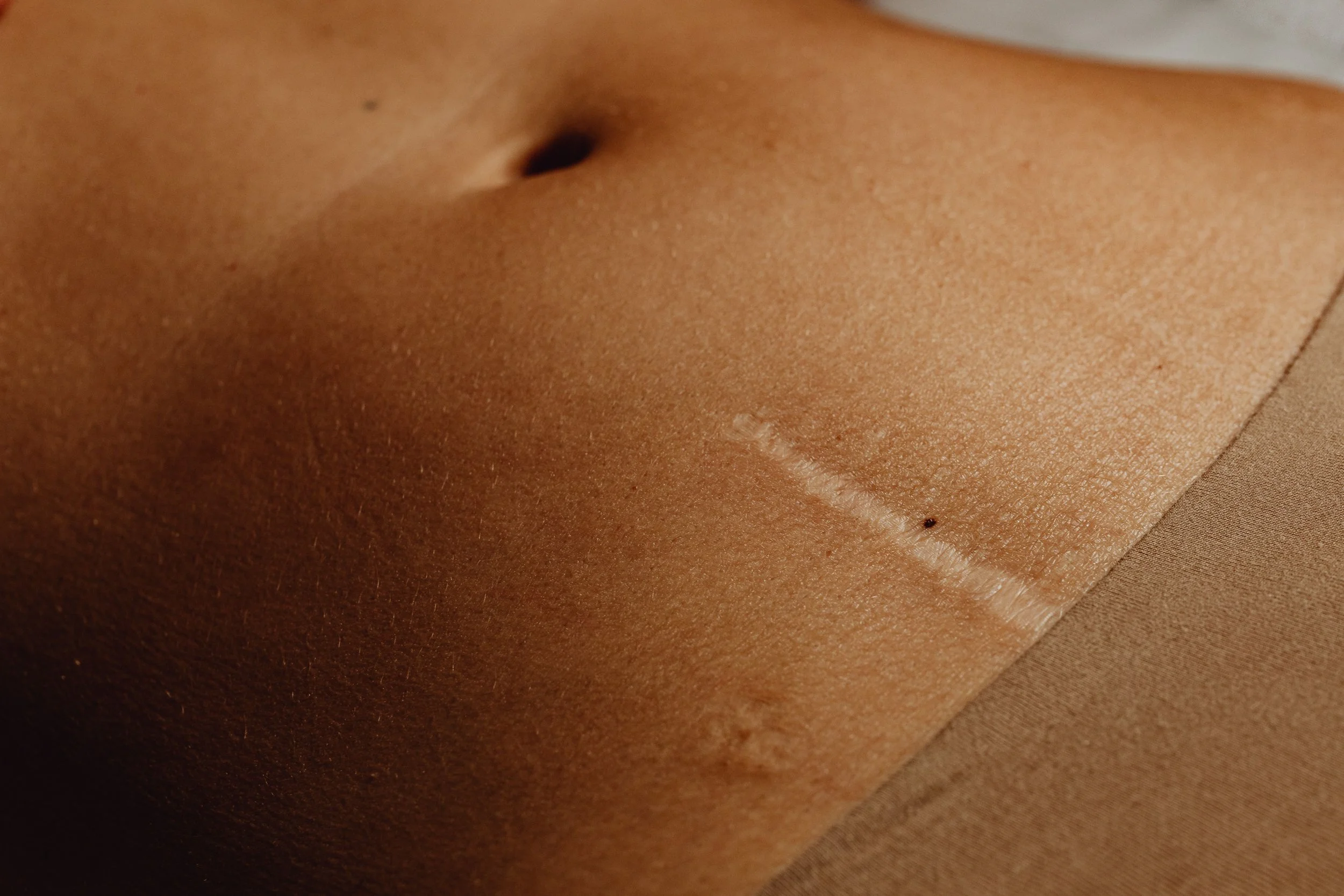
Surgical or traumatic scars
Fine lines and crepey texture
Sun-damaged or thickened skin
Uneven texture across the face, neck or décolletage
Skin that appears dull or lacks smoothness
Thickened, painful, raised (Keloid) Scars.
Scarring and texture concerns often involve more than one type of change, so a combination treatment plan may be recommended.
What can we help with?
Understanding Texture, Pores and Scarring
Not every uneven area is the same type of concern
Skin texture is influenced by the surface of the skin, oil production, pore structure, collagen, previous inflammation and the way the skin has healed.
Pores can appear more visible because of oil production, congestion, reduced elasticity or sun damage. Treatments may reduce their appearance, but pores are a normal part of the skin and cannot be permanently removed.
Acne scarring develops when inflammation damages the deeper supporting structure of the skin. Different scar types respond differently, and several types may be present at the same time.
Flat red or brown post-acne marks are not true scars. They represent residual redness or pigmentation and require a different treatment approach from indented scarring.
Because deeper scarring cannot usually be corrected with skincare or a superficial facial alone, treatment recommendations should be based on the type and depth of the concern
Our Approach to Texture, Pores and Scarring
-
A well-designed skincare routine can support cell turnover, reduce congestion, improve hydration and help maintain the results of in-clinic treatment.
Skincare is particularly important when oiliness, inflammation or sun damage is contributing to uneven texture.
BEST SUITED TO: Mild texture changes, visible pores, congestion, ongoing acne management and maintaining treatment results.
-
Ongoing breakouts can create new inflammation, pigmentation and scarring. When active acne is still present, controlling it is usually the first priority.
A medical assessment can help identify contributing factors and determine whether prescription treatment, professional skincare or other acne management is appropriate.
BEST SUITED TO: Active, persistent, hormonal or inflammatory acne occurring alongside marks or scarring.
-
Dermal needling creates controlled microchannels within the skin to stimulate collagen renewal and gradual remodelling.
It can improve overall texture and selected acne scars without significantly removing the surface of the skin. A course of treatments is usually required.
BEST SUITED TO: Rolling acne scars, mild-to-moderate indented scarring, enlarged-looking pores, fine lines and uneven texture.
-
Fractional laser creates controlled treatment zones within the skin to encourage renewal and collagen remodelling.
It may provide a more corrective option for established textural changes but involves more downtime and requires careful patient selection.
BEST SUITED TO: Acne scarring, more established uneven texture, fine lines and selected sun-related skin changes.
-
Professionally selected peels help remove built-up surface cells and support improvements in brightness, congestion, superficial texture and post-acne pigmentation.
Peels can refine the skin’s surface but cannot fully correct deeper indented scars.
BEST SUITED TO: Rough surface texture, congestion, blackheads, dullness and superficial post-acne marks.
-
Bioremodelling and skin booster treatments are designed to improve hydration, elasticity and overall skin quality, they can also be used to help with atrophic scaring commonly seen post acne.
They may soften fine crepey texture, but they do not replace collagen-remodelling treatment for established indented scarring.
BEST SUITED TO: Dehydration, fine lines, crepey texture and skin that appears less resilient.
-
Established scarring often includes several different scar patterns, and no single procedure is equally effective for every type.
After assessment, we may recommend a staged combination of needling, fractional resurfacing, skincare, scar subcision, peels or referral for another form of scar treatment where appropriate.
BEST SUITED TO: Mixed, deeper or longstanding scars and patients who have previously had limited improvement from a single treatment.
At Restore Cosmed, we begin by assessing whether the main concern is active acne, post-acne colour, superficial texture, enlarged pores or established scarring.
Active acne should usually be controlled before more intensive scar treatment begins. Your plan may then involve one treatment or a staged combination of options.
We will explain what degree of improvement is realistic, how many treatments may be needed and what downtime is involved before you decide to proceed.
Frequently Asked Questions:
-
No. Pores are a normal part of the skin and cannot be permanently removed.
You can also technically not shrink a pore, but their appearance can be reduced by managing congestion and oiliness, improving hydration and stimulating collagen, but results require realistic expectations and ongoing maintenance. -
There is no single best treatment because acne scars vary in type and depth- and different scars require different approaches.
Rolling scars may respond well to collagen-stimulating treatments, while narrow or sharply defined scars may require a different approach such as TCA cross treatment (a medical dermal peel technique) . Many patients have a mixture of scar types and benefit from combination treatment.
-
Acne marks are flat areas of redness or pigmentation remaining after inflammation.
True acne scars involve a change in the skin’s texture, such as indentations or raised areas. Marks and scars require different treatments.
-
The priority is usually to control active acne first so that new scars are not continuing to develop.
Some supportive treatments may begin earlier, but more intensive scar procedures are generally considered once the acne is reasonably stable.
-
With very established acne scarring, the goal is usually improvement rather than completely erasing. Having said that, there are not many scars that cant be improved.
The amount of improvement depends on the type, depth and extent of the scarring, your skin’s healing response and the treatments used.
-
Most acne scaring treatments require a course rather than a single session.
The number of treatments will depend on the severity of the concern, the procedure selected and how your skin responds over time.
-
Most of the time, yes.
Suitability depends on the scar type, age and location, and whether it is flat, indented, raised or still actively changing. Some scars may require referral for a different treatment approach. -
We can treat scars of any age. But the sooner we can start intervening the better the results.
-
Yes, we do. These require a careful medical approach to limit the risk of worsening the scar.
If you are prone to keloid scaring, and you have had to have a procedure, or perhaps you have had an injury- see us early for interventions we can offer to prevent keloid formation.
Book a medical consultation.
Where Should I Start?
Book an In-Depth Skin Analysis if your main concerns are enlarged pores, mild-to-moderate texture changes, post-acne marks, skincare or dermal needling.
Book a Laser Consultation if you are interested in fractional resurfacing or laser treatment for established scarring, texture or post-acne redness and pigmentation.
Book a Medical Skin Consultation if you still have active, painful or persistent acne that needs to be controlled before scar treatment begins.
When you have mixed concerns or are unsure whether you have marks, scars or active acne, an In-Depth Skin Analysis is usually the best place to begin.
You do not need to choose the treatment yourself. We will assess the concern and help you prioritise the most appropriate next step.
Ready to Get Started?
Texture and scarring concerns can be frustrating, particularly when you have already tried products or treatments that were not matched to the type of change present.
Our role is to identify what is contributing, explain which options are likely to provide meaningful improvement and create a realistic treatment plan for your skin.