

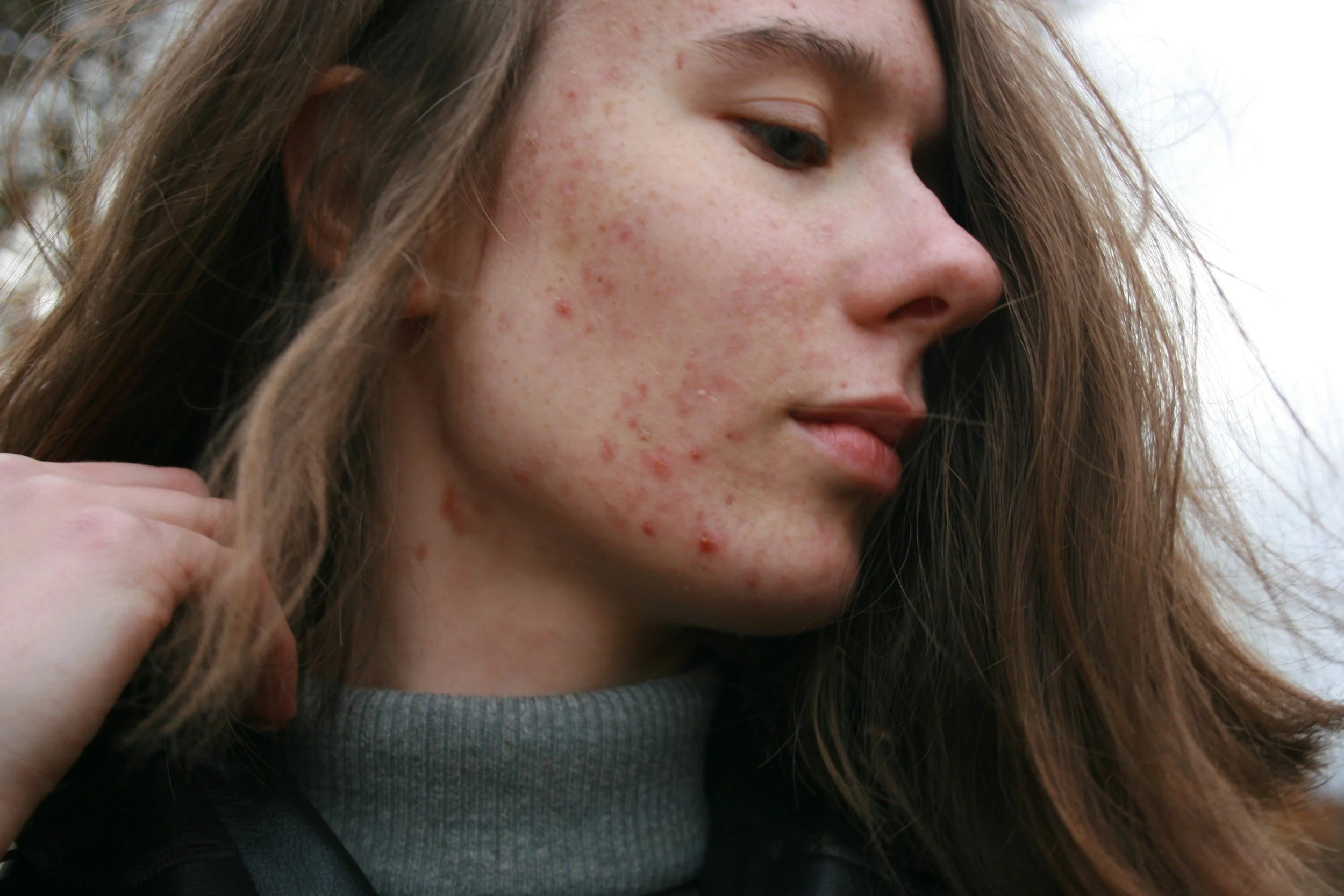
Acne & Breakouts

Acne is not simply a matter of having “unclean” skin. It is influenced by hormones, oil production, cell turnover, inflammation, skincare, medications and other individual factors including diet and lifestyle in some cases.
Whether you are dealing with occasional breakouts, persistent adult acne or marks and scarring left behind, we can help you understand what may be contributing and create a practical treatment plan for your skin.
Clearer skin starts with understanding what is driving your acne
Acne can look and behave differently from person to person. You may be experiencing:
Blackheads, whiteheads or blocked pores
Red or inflamed breakouts
Painful or deep acne
Hormonal or adult acne
Breakouts affecting the face, chest or back
Oily or congested skin
Red or brown marks left after acne
Uneven texture or acne scarring
Acne is common, but that does not mean you need to keep trying to manage it alone- in fact if you have been struggling, you should not do it alone.
What can we help with?
Understanding Acne
Acne develops when pores become blocked with oil and dead skin cells, often alongside inflammation and changes in the skin’s microbiome.
Hormones commonly play a role, particularly during adolescence, around the menstrual cycle, after stopping contraception, during pregnancy or perimenopause. Stress, certain medications, skincare products and underlying medical factors may also contribute.
Because there is rarely one single cause, effective management usually involves identifying the main drivers and choosing treatments that work together rather than relying on one product or procedure alone.
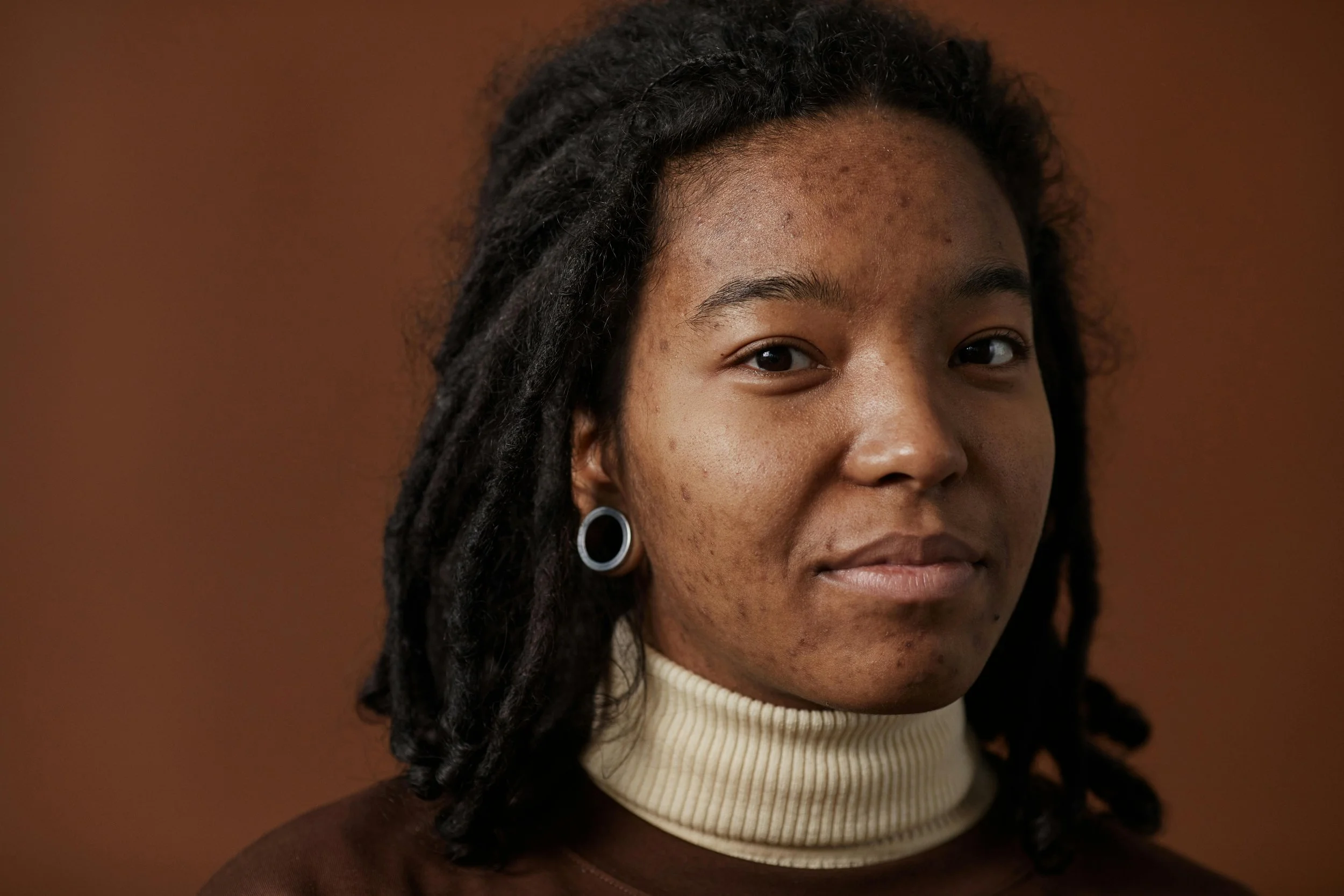
Our Approach to Acne
At Restore Cosmed, acne treatment begins with understanding your skin, your health and what you have already tried.
Your treatment plan may include:
-
A medical consultation allows us to assess the type and severity of your acne and determine whether prescription treatment is appropriate.
Medical management may target oil production, inflammation, blocked pores or hormonal influences, depending on what is driving your acne. Treatment options may include topical or oral medications, used alone or alongside skincare and in-clinic treatments.
We will explain how each treatment works, how to use it safely and what to expect over time, including possible side effects and the importance of consistency.
BEST SUITED TO: Persistent, inflammatory, hormonal or treatment-resistant acne, painful or deep breakouts, and patients who have not responded to over-the-counter products.
LEARN MORE ABOUT MEDICAL SKIN CONSULTATIONS -
A simple and well-designed skincare routine can help reduce congestion, manage inflammation and support the skin barrier.
We will help you choose products that suit your skin rather than adding unnecessary steps or recommending every trending active ingredient.
BEST SUITED TO: Mild acne, congestion, oily skin, maintenance and supporting other acne treatments.
-
Carefully selected peels can help improve congestion, surface texture, post-acne marks and overall skin clarity.
The type and strength of peel will depend on your skin, current acne activity and other treatments you are using.
BEST SUITED TO: Congestion, blackheads, mild breakouts, uneven texture and post-acne pigmentation.
-
LED treatment may be used to support acne management by helping calm inflammation and promote skin recovery.
It is commonly used alongside skincare, peels or other acne treatments rather than as a stand-alone cure.
BEST SUITED TO: Inflamed or reactive acne and supporting recovery following other skin treatments.
-
Once active acne is controlled, treatments such as dermal needling, scar subcision, fractional resurfacing or other collagen-stimulating procedures may help improve established acne scarring and uneven texture.
The most appropriate treatment depends on the type, depth and extent of the scarring.
BEST SUITED TO: Indented acne scars, uneven texture and enlarged-looking pores after acne.
-
Flat red or brown marks can remain after acne has healed. These are different from true indented scars and may respond to skincare, peels, IPL or laser treatment.
Correctly identifying the type of mark is important before choosing treatment.
BEST SUITED TO: Persistent redness, pigmentation or uneven skin tone left after breakouts.
BOOK A SKIN CONSULT
We will explain what each part of your plan is intended to do, how to introduce treatment safely and what improvement may realistically look like over time.
Frequently Asked Questions:
-
Yes. Although acne is often associated with teenagers, it is also common in adults. Adult acne may develop for the first time later in life or continue from adolescence. We treat all ages.
-
Not necessarily, but we have that option if it is required or appropriate.
Mild acne may improve with appropriate skincare and professional treatments. More persistent, inflammatory or hormonal acne may benefit from medical treatment. We will discuss the most appropriate options after assessing your skin. -
Acne treatment takes time. Some people notice early improvement within several weeks, but more meaningful change commonly develops over a few months. Your plan may need to be adjusted depending on how your skin responds.
-
Some treatments can temporarily increase dryness, sensitivity or visible congestion when first introduced. We aim to minimise this by introducing treatment gradually and supporting the skin barrier. Significant worsening should always be reviewed.
-
Sometimes. The priority is usually to control active acne first and reduce the risk of further scarring. Some treatments may support both concerns, but more intensive scar treatments are generally considered once breakouts are reasonably stable.
-
Acne marks are flat areas of redness or pigmentation left after inflammation (Post inflammatory errythema or pigmentation are the medical terms).
Acne scars involve a change in the skin’s texture, such as indentations or raised areas. They require different treatment approaches. -
No. Acne is not caused by being dirty, and excessive cleansing or scrubbing can irritate the skin and worsen inflammation. Gentle, consistent skincare is usually more helpful.
-
Diet may influence acne for some people, but it is rarely the only cause.
We take a balanced approach and do not recommend unnecessarily restrictive diets unless it is identified as a major trigger.
We will assess and discuss possible diet and lifestyle factors that may be contribute, and where relevant, we will discuss practical changes alongside your broader treatment plan.
Where Should I Start?
Book a Medical Skin Consultation if you have active, persistent, hormonal, painful or inflammatory acne, or when you are unsure what is causing your breakouts.
Book a Skin Consultation if your main concerns are mild congestion, skincare guidance, surface texture or maintaining results once your acne is controlled.
For acne scarring, we generally recommend beginning with a consultation so we can assess the scar type and ensure any active acne is adequately managed first.
You do not need to know which product or treatment to choose before you come in. That is what the consultation is for.
Ready to Get Started?
Acne can be frustrating, particularly when you have already tried multiple products or treatments without a clear plan (lets be honest, by the time your reading this- you’ve tried it all).
Our role is to help you understand what is happening, simplify your options and build an evidence-based approach that is realistic for your skin and lifestyle.