


Pigmentation & Melasma
Uneven pigmentation is not always the same condition
Brown spots, patchy pigmentation and uneven skin tone can develop for many different reasons. Sun exposure, hormones, inflammation, skin injury and genetics may all contribute.
Some pigmentation responds well to targeted laser, IPL or skin treatments. Melasma behaves differently and usually requires a carefully planned combination of sun protection, skincare, medical management and selected procedures.
We can help identify the type of pigmentation you have and create a treatment plan that is appropriate for your skin.
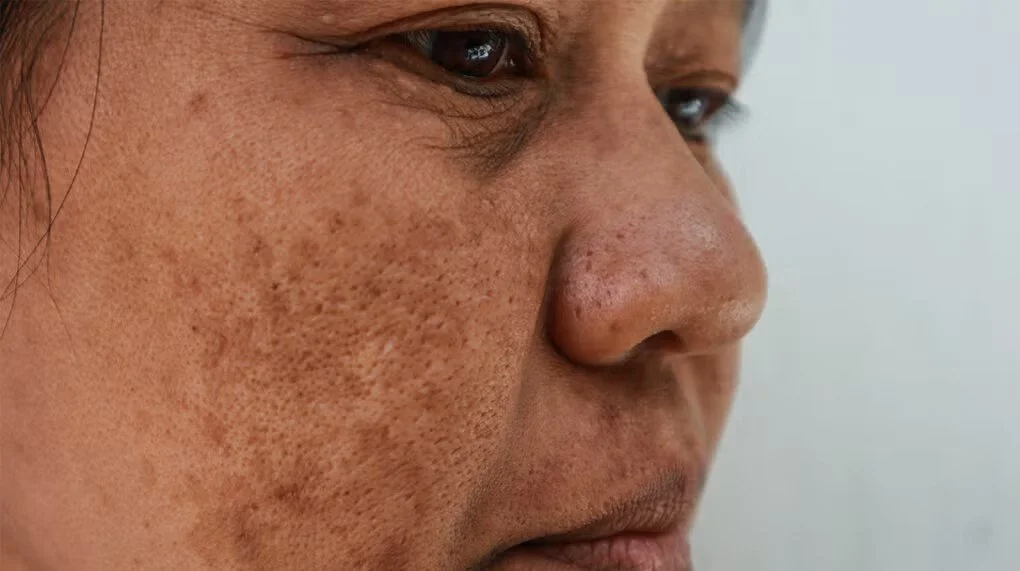
You may be noticing:
Sun spots or age spots
Freckles
Patchy or uneven facial pigmentation
Melasma
Brown marks left after acne or inflammation
Pigmentation caused by previous skin irritation or injury
Dull or uneven-looking skin tone
Pigmentation affecting the face, neck, décolletage or hands
Correct assessment is important, as not every brown mark should be treated in the same way.
What can we help with?
Understanding Pigmentation
Pigmentation develops when the skin produces or stores more melanin in certain areas.
Common forms include sun-related pigmentation, freckles, post-inflammatory hyperpigmentation and melasma. Although they may look similar, they can have different causes and respond differently to treatment.
Sun spots and freckles are usually linked to cumulative ultraviolet exposure and may respond well to targeted IPL or laser treatment.
Post-inflammatory pigmentation develops after inflammation or injury, such as acne, eczema, picking or an unsuitable skin treatment.
Melasma usually appears as symmetrical patches of brown or grey-brown pigmentation, most commonly across the cheeks, forehead, upper lip or jawline. It is influenced by a combination of genetics, ultraviolet and visible light exposure, hormones, heat and inflammation.
Because melasma is a chronic and relapse-prone condition, treatment focuses on control and improvement rather than promising a permanent cure. Sun protection remains an essential part of management

Our Approach to Pigmentation
At Restore Cosmed, treatment begins with identifying what type of pigmentation is present and whether there are any features that require medical assessment.
Your treatment plan may include:
-
A medical skin consultation may be recommended when pigmentation is widespread, rapidly changing, difficult to identify or suspected to be melasma or post-inflammatory pigmentation.
Assessment helps distinguish cosmetic pigmentation from lesions that should be examined medically before treatment.
BEST SUITED TO: Melasma, complex or widespread pigmentation, changing lesions and pigmentation of uncertain cause.
LEARN MORE ABOUT MEDICAL SKIN CONSULTATIONS -
Pigment-correcting skincare can help reduce excess pigment production, improve uneven tone and support the results of in-clinic treatment.
Depending on your skin and diagnosis, this may include professional skincare or prescription treatment. Products are introduced carefully to reduce irritation, as inflammation itself can worsen pigmentation.
BEST SUITED TO: Melasma, post-inflammatory pigmentation, uneven tone and supporting or maintaining procedural results.
-
Melasma requires a different approach from ordinary sun spots. Treatment commonly begins with strict sun protection and pigment-regulating skincare (over the counter and prescription), with procedural treatments added selectively.
Our melasma laser protocol uses carefully controlled Q-switched Nd settings as part of a broader management plan rather than as a stand-alone cure.
Laser and IPL treatments can trigger recurrence or worsening when used inappropriately, so careful patient selection and ongoing maintenance are important.
BEST SUITED TO: Patients with clinically assessed facial melasma who understand that ongoing management and maintenance are required.
-
IPL uses filtered light to target selected areas of superficial sun-related pigmentation. Treated spots often darken temporarily before gradually flaking or fading.
IPL is not appropriate for every type of pigmentation and is generally not our first choice for melasma.
BEST SUITED TO: Freckles, superficial sun spots and widespread sun-related pigmentation.
-
Our pigment-targeting laser treatment delivers focused energy to selected areas of excess pigment while limiting treatment to the surrounding skin.
Suitability depends on the type, depth and location of the pigmentation, as well as your skin type and recent sun exposure.
BEST SUITED TO: Selected sun spots, freckles and localised benign pigmentation.
EXPLORE PIGMENT CORRECT LASER
-
Tone and Glow is a gentle laser rejuvenation treatment designed to improve overall skin clarity, brightness and uneven tone with minimal downtime.
It may be included within a broader treatment plan when the concern is diffuse dullness or mild uneven pigmentation rather than isolated dark spots.
BEST SUITED TO: Dullness, mild uneven tone and patients wanting gradual overall skin rejuvenation.
-
Selected dermal peels can help improve superficial pigmentation, post-inflammatory marks, dullness and uneven tone.
The type and strength of peel must be matched to your skin and pigmentation type to minimise unnecessary irritation.
BEST SUITED TO: Superficial pigmentation, post-acne marks, uneven tone and supporting a broader pigmentation plan.
Several types of pigmentation can exist at the same time. We may therefore recommend a combination approach rather than relying on one treatment alone.
Frequently Asked Questions:
-
Pigmentation is a broad term describing areas where the skin contains increased colour or melanin.
Melasma is a specific chronic pigment condition that usually causes symmetrical, patchy facial pigmentation. It is influenced by factors including sunlight, hormones, genetics, heat and inflammation, and is more prone to recurrence than ordinary sun spots.
-
Some isolated sun spots can respond very well to treatment, although new pigmentation may develop with ongoing sun exposure and ageing.
Melasma and post-inflammatory pigmentation are more likely to require ongoing management. Results vary according to the cause, depth and behaviour of the pigment.
-
Laser and IPL can be very effective for appropriately selected pigmentation. However, unsuitable treatment settings or treating the wrong type of pigmentation can trigger inflammation, post-inflammatory pigmentation or worsening of melasma.
This is why assessment and careful treatment selection are important.
-
Neither is automatically better. IPL can be useful for widespread superficial sun damage, while laser may be more suitable for selected localised spots.
Melasma and post-inflammatory pigmentation require a different and often more cautious approach.
We require all laser treatments to start with a consultation, so that we can assess and determine the most effective and appropriate option for you. -
Sensation varies by treatment. IPL and laser treatment are commonly described as a brief hot or snapping sensation. Peels may cause warmth or tingling.
We will explain what to expect before treatment.
-
Yes, certain lasers may be used for selected patients with melasma, but it needs to be approached carefully.
At Restore Cosmed, laser is not used as a stand-alone cure. Our melasma protocol uses carefully controlled Q-switched Nd settings as part of a broader plan that will also include strict sun protection, pigment-regulating skincare and medical management.
Melasma is a chronic condition that can recur or worsen following heat, inflammation or unsuitable laser treatment.
A medical assessment is therefore required before proceeding, and not every patient with melasma will be suitable for laser.
Book a Medical consultation -
Treated pigmentation may temporarily become darker before fading or flaking over several days. Mild redness, warmth or swelling may also occur.
Sun protection and following your aftercare instructions are important while the skin recovers.
-
This depends on the type and depth of the pigmentation, the treatment selected and how your skin responds.
Some isolated sun spots may improve after one treatment, while widespread pigmentation or melasma usually requires a longer-term programme and maintenance.
-
Ultraviolet and visible light stimulate pigment production and can darken existing pigmentation, trigger melasma and reduce the longevity of treatment results.
Consistent daily sun protection is therefore part of treatment rather than an optional extra.
-
Some skincare-based treatment may continue throughout the year, but IPL, laser and stronger peels may need to be timed around sun exposure.
Treatment may be postponed if the skin is recently tanned or ongoing sun exposure makes treatment less safe.
-
No. Some pigmented lesions require medical or dermoscopic assessment before any cosmetic treatment is considered.
Any new, changing, irregular, symptomatic or otherwise concerning lesion should be medically assessed.
The benefit of having treatment at a Doctor led clinic like ours, means we can assess this and provide treatment in house.
Where Should I Start?
Book a Laser Consultation if your main concern is established sun spots, freckles or visible areas of pigmentation you would like assessed for IPL or laser treatment.
Book a Medical Skin Consultation if you suspect melasma, your pigmentation is widespread or changing, or you are unsure what is causing it.
Book a Skin Consultation if your main goal is professional skincare advice or treatment of mild post-inflammatory pigmentation and uneven tone.
Please do not book laser treatment directly for an undiagnosed brown lesion. Pigmented spots should be appropriately assessed before treatment. Book a Mole Check.
You do not need to know which treatment to choose before your appointment. We will help you identify the type of pigmentation and recommend the most appropriate next step.
Ready to Get Started?
Pigmentation can be frustrating, particularly when different types of brown marks are grouped together and treated in the same way.
Our role is to identify what you are dealing with, explain the available options and create a realistic plan that balances improvement, safety and long-term maintenance.