

Redness & Rosacea
Redness is not always just sensitive skin
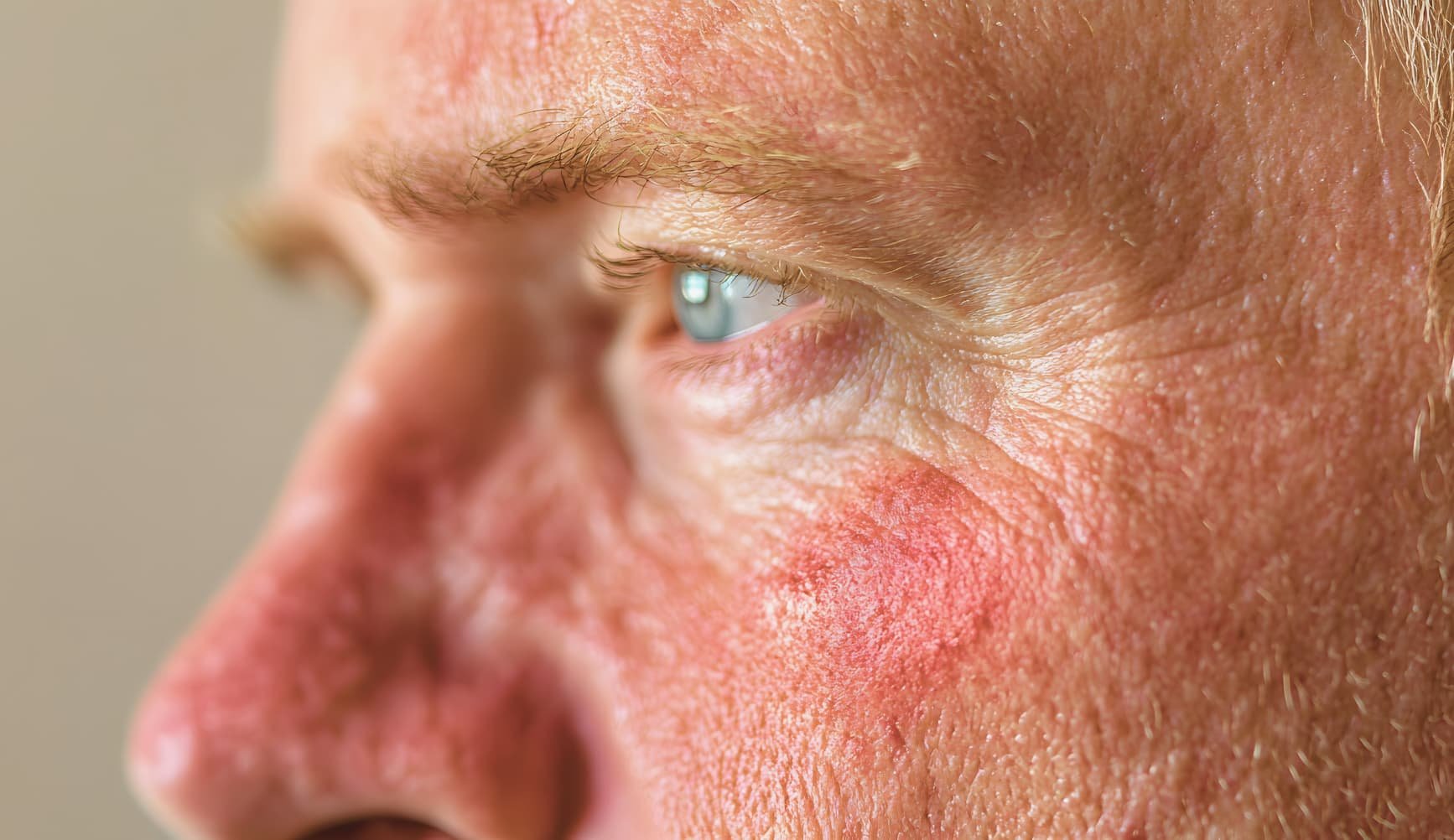
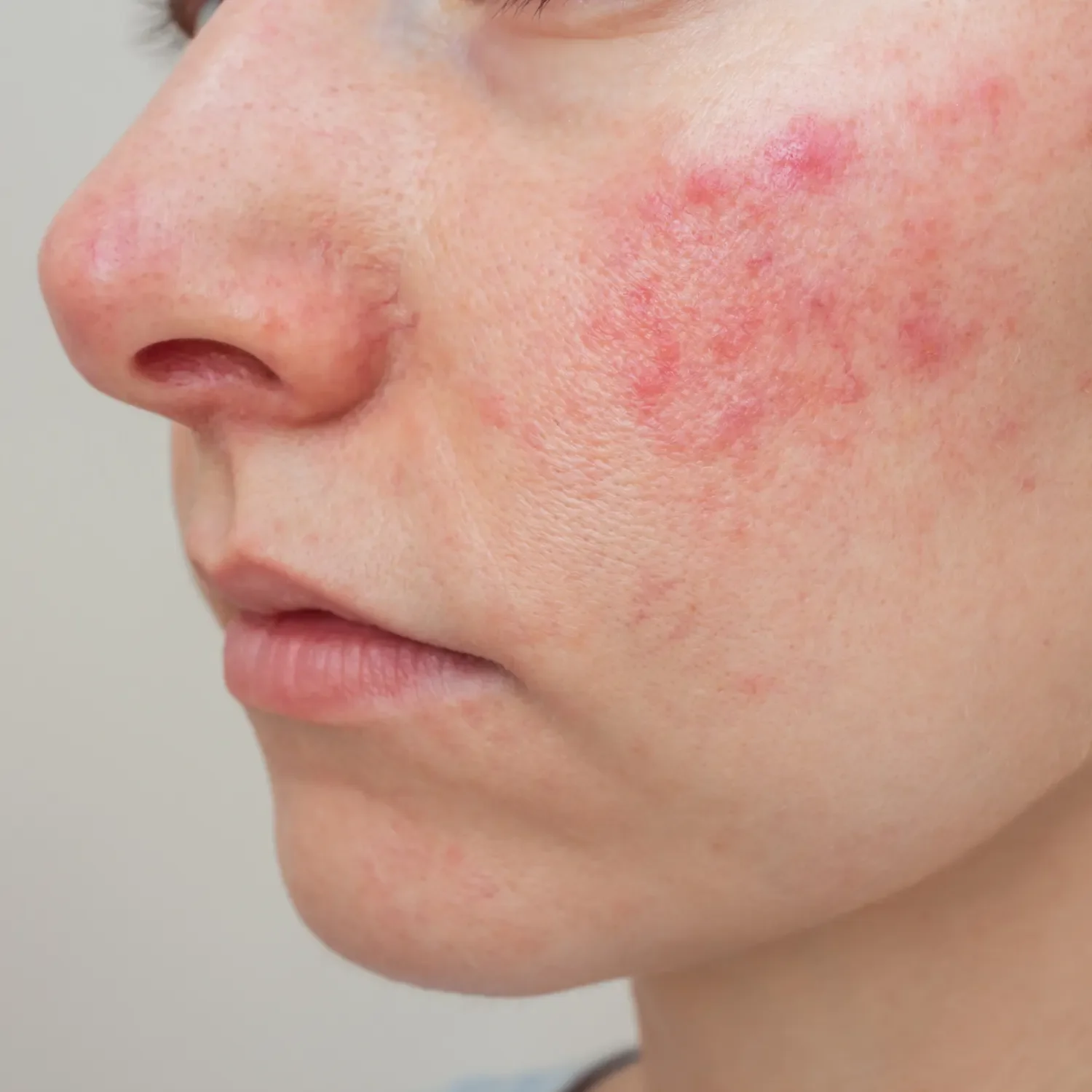
Facial redness may appear as occasional flushing, persistent background redness, visible vessels or inflamed, acne-like breakouts.
Rosacea is a common long-term skin condition that can involve several of these features. Other factors, including sun damage, irritation and individual visible vessels, may also contribute.
We can help identify what is causing your redness and develop a practical treatment plan for your skin.
You may be experiencing:
Persistent facial redness
Frequent flushing or blushing
Rosacea
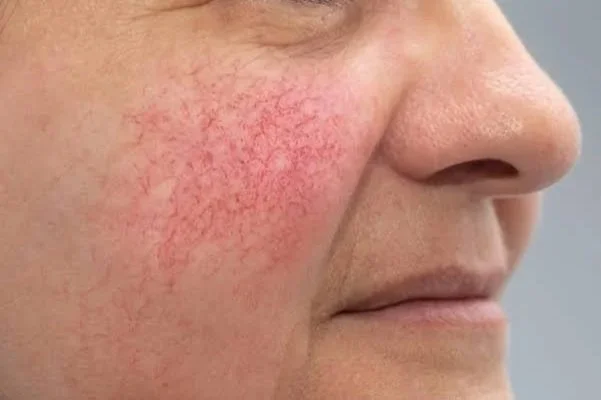
Visible facial vessels or broken capillaries
Redness across the cheeks, nose, chin or forehead
Burning, stinging or sensitive skin
Acne-like bumps associated with rosacea
Red marks left after acne or inflammation
Redness caused by cumulative sun damage
Enlarged or prominent vessels around the nose
Redness can have several possible causes, so identifying the underlying concern is important before selecting treatment.
What can we help with?
Understanding Redness and Rosacea
Rosacea is a chronic inflammatory skin condition that most commonly affects the central face.
It may cause flushing, persistent redness, visible blood vessels, sensitivity and inflammatory bumps or pustules. Some people experience only one or two of these features, while others develop several.
Rosacea often fluctuates over time. Common triggers may include sun exposure, heat, alcohol, spicy foods, exercise, stress and unsuitable skincare, although triggers vary considerably between individuals.
Visible vessels may also develop independently of rosacea as a result of genetics, ageing or cumulative sun exposure.
Because facial redness is not always caused by the same condition, effective treatment starts with identifying which features are present and what may be contributing to them.
Our Approach to Redness and Rosacea
At Restore Cosmed, we look beyond the redness itself and consider your symptoms, skin sensitivity, triggers, skincare and medical history.
Your treatment plan may include:
-
A medical consultation can help confirm whether your symptoms are consistent with rosacea and determine whether prescription treatment is appropriate.
Medical management may target inflammation, acne-like bumps, persistent redness or other symptoms that cannot be addressed by laser or skincare alone.
BEST SUITED TO: Persistent or worsening rosacea, inflamed bumps, significant sensitivity, burning or stinging, and patients who are unsure what is causing their redness.
LEARN MORE ABOUT MEDICAL SKIN CONSULTATIONS -
Rosacea-prone skin is often sensitive and easily irritated. A simple, gentle routine can help support the skin barrier, improve comfort and reduce avoidable flare-ups.
We will help you select appropriate cleansers, moisturisers, active ingredients and sun protection without unnecessarily overwhelming the skin.
BEST SUITED TO: Sensitive, reactive or easily flushed skin and supporting other rosacea treatments.
-
IPL uses filtered light to target haemoglobin within superficial vessels and areas of diffuse redness.
It can be useful when redness is spread across a broader area and may also improve uneven tone caused by sun damage. A course of treatments is commonly required.
BEST SUITED TO: Diffuse facial redness, flushing, sun-related redness and multiple small superficial vessels.
-
LED light therapy may be used as a gentle supportive treatment to help calm inflammation and promote skin recovery.
It is generally included as part of a broader management plan rather than used as a stand-alone treatment for visible vessels or rosacea.
BEST SUITED TO: Sensitive, reactive or inflamed skin and supporting recovery after other treatments.
-
Vascular laser delivers targeted energy to visible blood vessels, causing them to heat and gradually close while limiting treatment to the surrounding skin.
It can provide greater precision for individual vessels or areas where more defined vascular treatment is required.
BEST SUITED TO: Visible facial vessels, broken capillaries, vessels around the nose and selected vascular lesions.
BOOK A LASER CONSULT -
Flat red marks may remain after acne has healed. These are different from active acne and true indented scars.
Depending on the extent and cause, post-acne redness may respond to skincare, IPL, vascular laser or simply improve gradually with time.
BEST SUITED TO: Persistent flat red marks left after breakouts.
Rosacea cannot always be permanently removed, but its symptoms can often be controlled and its visible signs significantly improved.
Frequently Asked Questions:
-
Rosacea is a chronic inflammatory skin condition that commonly affects the central face.
It may cause flushing, persistent redness, visible vessels, sensitivity and acne-like bumps. The combination and severity of symptoms vary between individuals.
-
No. Facial redness may also be caused by skin irritation, sun damage, dermatitis, acne, individual visible vessels or other skin conditions.
An assessment can help distinguish rosacea from other causes and determine the most appropriate treatment.
-
Rosacea is generally considered a long-term condition rather than something that can be permanently cured.
However, its symptoms can often be managed effectively through appropriate skincare, trigger management, prescription treatment and selected laser or light-based procedures.
-
Yes. Laser or IPL may be used to reduce visible blood vessels, persistent redness and some flushing in appropriately selected patients.
These treatments address the vascular signs of rosacea, but they do not treat every aspect of the condition. Prescription treatment, skincare and trigger management may also be required.
-
Neither option is automatically better.
IPL is often useful for broader areas of diffuse redness and multiple small superficial vessels. Vascular laser may provide more precise treatment for individual or more defined vessels.
Some patients may benefit from a combination approach.
-
Vessels that respond successfully to treatment may remain closed, but new vessels can develop over time because of rosacea, sun exposure, ageing or genetics.
Maintenance treatment may therefore be needed.
-
Temporary redness, warmth and swelling can occur after treatment. Inappropriately selected treatment or excessive settings may also aggravate sensitive skin.
Careful assessment, appropriate settings and good aftercare help reduce this risk.
-
Common triggers include sunlight, heat, hot drinks, alcohol, spicy foods, exercise, stress and irritating skincare.
Triggers vary from person to person, so identifying your own pattern is usually more useful than trying to avoid every possible trigger.
-
Yes. Rosacea-prone skin is often easily irritated, and unsuitable products can worsen burning, dryness and redness.
A gentle cleanser, supportive moisturiser and daily sun protection form an important foundation for most rosacea treatment plans.
-
Yes. Rosacea may cause red bumps and pustules that resemble acne.
However, rosacea and acne are different conditions and may require different treatment. Rosacea does not typically cause blackheads in the same way acne does.
-
Yes. Rosacea can sometimes affect the eyes and eyelids, causing dryness, irritation, grittiness, redness or recurrent eyelid inflammation.
Eye symptoms should be discussed during your consultation and may require assessment by an appropriate eye-care professional.
-
Some medical and skincare-based management can continue throughout the year.
Laser or IPL may need to be postponed when the skin is recently tanned or when significant ongoing sun exposure makes treatment less safe. Daily sun protection remains important throughout treatment.
Where Should I Start?
Book a Medical Skin Consultation if you have suspected or diagnosed rosacea, inflammatory bumps, significant sensitivity, burning or stinging, or redness of uncertain cause.
Book a Laser Consultation if your main concern is established visible facial vessels, broken capillaries or diffuse redness you would like assessed for IPL or vascular laser.
Book a Skin Consultation if your main concern is sensitive skincare, mild redness or support for an existing rosacea management plan.
You do not need to decide whether IPL, laser, skincare or medical treatment is best before your appointment. We will assess the different features of your redness and guide you toward the most appropriate next step.
Ready to Get Started?
Living with persistent redness or unpredictable flushing can be frustrating, particularly when the skin also feels sensitive or difficult to manage.
Our role is to identify the different features contributing to your redness, explain the options and create a treatment plan that is realistic for your skin and lifestyle.